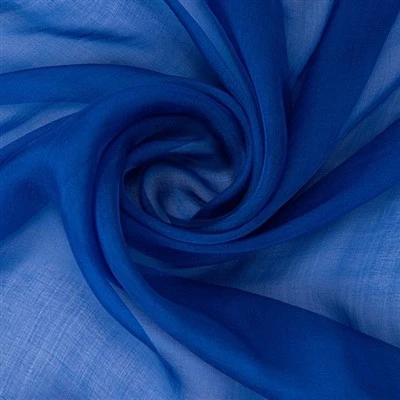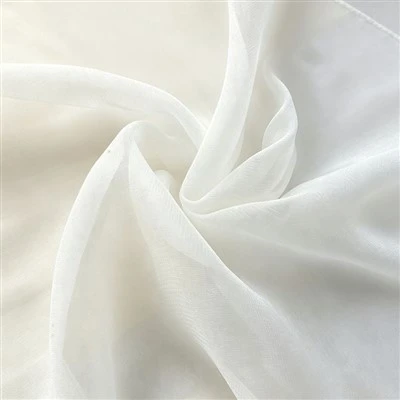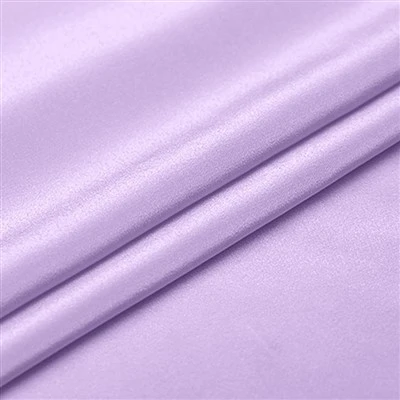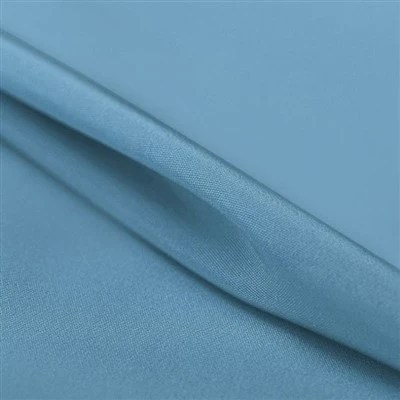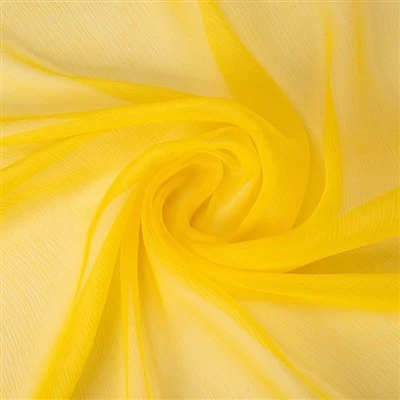

Acetate fabric-technically known as cellulose acetate fiber-is a unique fiber derived from cellulose. Its raw materials primarily come from renewable sources such as wood pulp or cotton linters; the production process is eco-friendly, and the resulting product offers excellent performance. Acetate fabrics are categorized into diacetate and triacetate fibers, which differ in their properties: diacetate fibers feature superior dyeability and high moisture absorption, whereas triacetate fibers offer excellent light and heat resistance but have relatively poorer dyeability.
Regarding its physicochemical properties, acetate fabric boasts good moisture absorption, resilience, and abrasion resistance. It feels smooth and silky to the touch and yields vibrant, brilliant colors when dyed. However, it does have certain limitations: it is prone to saponification in alkaline solutions, which can lead to uneven dyeing (color blotching), and the fibers are sensitive to light and heat, making them susceptible to oxidation and color changes upon exposure to sunlight.
In terms of overall characteristics, acetate fabric-as a regenerated cellulose fiber-is biodegradable and eco-friendly, aligning with modern standards for environmental protection and sustainable development. It combines the comfort of cellulose fibers with the stability of synthetic fibers, offering a silk-like luster, a pleasant hand-feel, breathability, dimensional stability, and excellent moisture-wicking capabilities. Regarding future prospects, the development of biodegradable acetate fabrics helps drive the textile industry's green transformation. While acetate fabric is already widely used in sectors like apparel and home textiles-with mature markets in developed nations like the US and Japan-there remains significant room for growth in the Chinese market.