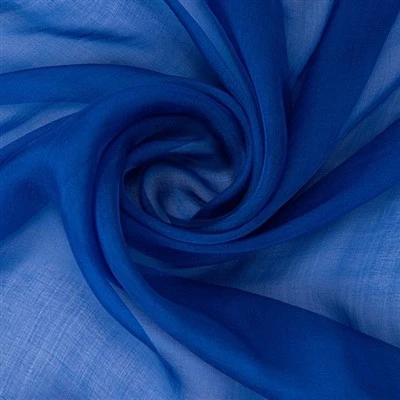
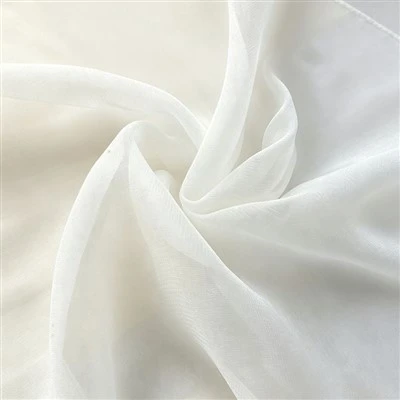
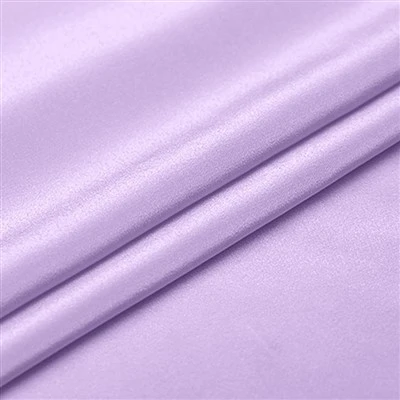
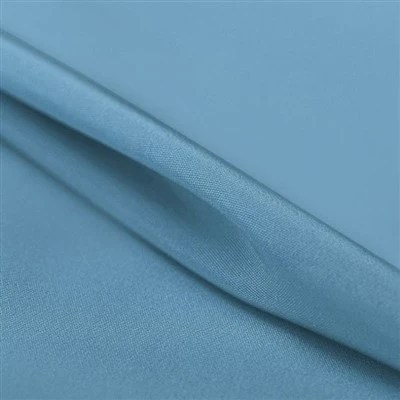
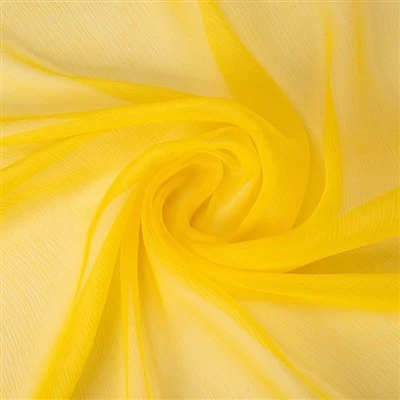
Pure silk fabrics are natural fiber textiles woven from silk-primarily mulberry silk and tussah silk. Known for being skin-friendly and breathable with a soft luster, they are widely used in apparel and home furnishings. These fabrics are categorized into 14 types based on weave structure-such as plain weave (*fang*), crepe, and satin-and undergo dyeing or printing processes; domestically produced pure silk fabrics are identified by product codes starting with the digit "1." They can be distinguished from chemical fiber products by characteristics such as their pearly luster and the smell of burning feathers.
Guangxi accounts for 60% of China's silkworm cocoon production, ranking first nationwide for 19 consecutive years, with Hechi City consistently leading all prefecture-level cities in fresh cocoon output. Continuous technological breakthroughs in the industry have led to the development of wrinkle-resistant, digitally printed, and machine-washable silk fabrics. Nanchong City has established a complete industrial chain spanning from silkworm rearing to finished garment manufacturing. In December, Guangxi's first production line for pure silk Zhuang brocade went into operation in Hechi. The market size reached 60 billion yuan in 2024, with leading enterprises capturing the high-end market through intelligent manufacturing and cross-sector collaborations. Online sales are projected to rise to 40% of the total by 2025, with products shifting toward eco-friendly and functional varieties-such as antibacterial silk and silk-fungus-grass composite fabrics-while global markets are being expanded via cross-border e-commerce. In 2025, Nanchong Silk secured investment agreements exceeding 10 billion yuan at the Sichuan Silk Expo.

 English
- English
- Français
- Deutsch
- 日本語
- Italiano
- Español
- Português
- русский
- Ελληνικά
- اردو
- عربي
- Indonesia
- Melayu
- íslenska
- українська
- Lietuvių
- Български
- magyar
- slovenčina
- বাংলা
- O'zbek
- Nederlands
- Čeština
- Gaeilgenah Éireann
- Latviešu
- hrvatski
- Việt Nam
- हिंदी
- suomi
- Bai Miaowen
- slovenščina
- Türkçe
- Srbija jezik (latinica)
- Malti
- Norsk
- Kreyòl Ayisyen
- România limbi
- bosanski
- Cymraeg
- Svenska
- ไทย
- Català
- dansk
- Polski
- 한국어
- Eesti
- فارسی
- עברית