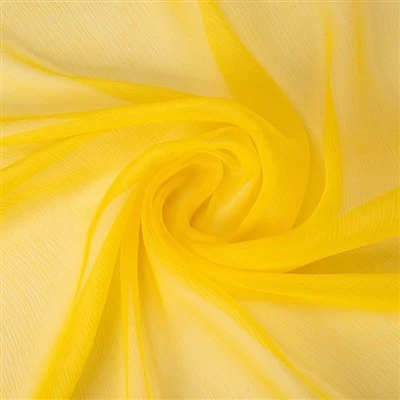

Also known as *Shuliang* silk or *Liang* silk, this fabric is crafted from mulberry silk woven into a leno-weave base. It undergoes a process involving dyeing with *Shuliang* (dioscorea/wild yam) tuber juice, coating with river mud from the Pearl River Delta, and repeated sun-drying. Originally named "Xiangyunsha" (literally "rustling cloud silk") due to the sound produced by friction during wear, the name evolved from a homophone; it is recognized as a National Intangible Cultural Heritage. Its core techniques-sun-curing (*shailiang*) and mud-coating (*guowu*)-leverage the reaction between tannins in the *Shuliang* tuber and iron ions in the river mud to create a lustrous black finish and breathable jacquard patterns. The fabric is prized for being cool and breathable, quick-drying, and highly durable.
The craft traces its roots back to Tang Dynasty records of *Shuliang* dyeing, with large-scale production of *Liang* silk beginning in Nanhai during the Daoguang reign of the Qing Dynasty. By 1915, the leno-weaving technique had matured; the Cheng family of Xiqiao refined the jacquard process to create distinctive "twisted-eye" openwork patterns. In the early Republican era, the Pearl River Delta produced over two million bolts of *Liang* silk annually, accounting for 80% of the province's silk exports. The dyeing and finishing techniques were listed as National Intangible Cultural Heritage in 2008, while the weaving techniques were designated as Intangible Cultural Heritage of Foshan City in 2015. Modern preservation efforts-driven by the development of cultural tourism bases (such as the Yunsha Xingyun Xiangyunsha Cultural Heritage Park), the R&D of smart equipment, and cross-sector design collaborations-have boosted production capacity to over 15 million meters by 2024. Applications have expanded into home furnishings and cultural-creative products; notably, at the 2026 Shenzhen ICIF (International Cultural Industries Fair), the fabric was integrated with Zhuang brocade and Yao embroidery patterns to create a diverse range of cultural-creative goods.