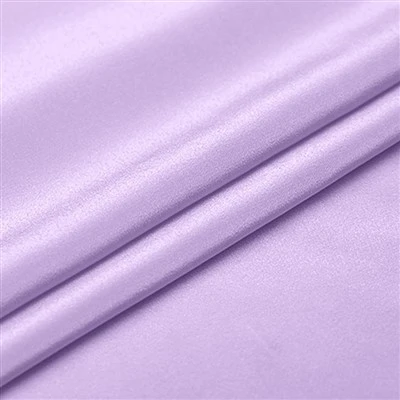


Hey folks, if you’ve ever ordered pongee fabric for projects like apparel, tote bags, or outdoor linings, you’ve probably run into that annoying problem: the dye fading way too fast after one wash or a day in the sun. That’s colorfastness, and when it comes to Material Pongee, it’s way more critical than you might think—especially if you’re sourcing this stuff for real, everyday use. As a pongee supplier who’s been in this game for years, I get it: no one wants to put in work designing a garment, only for it to bleed onto a white tee after the first wash, or have a tote fade so bad it looks gray a month later. Today I’m breaking down exactly what colorfastness means for Material Pongee, what factors affect it, and how we make sure our fabric stands up to the stuff that kills dye.
First, let’s keep this simple: colorfastness just means how well a fabric’s dye sticks to it, right? No fancy science jargon needed here. For Material Pongee specifically, it’s a synthetic fabric—usually a blend of polyester, sometimes mixed with a little something else for texture or stretch—so its dyeing process is different from natural fibers like cotton. Wait, but even synthetic pongee can vary a lot based on how it’s made, and that directly impacts colorfastness. I’ve seen cheap pongee from overseas that bleeds like crazy, and top-grade stuff that holds its color for years. So what’s the difference?
Let’s start with the dyeing method, because that’s the biggest piece of the puzzle here. Material Pongee is typically dyed using disperse dyes, which are made specifically for synthetic fibers that don’t absorb water easily. If you rush the dyeing process—like using too little dye, not heating it enough, or skipping the post-dye fixing step—those dye molecules don’t bond properly to the pongee’s fibers. They just kind of sit on the surface, which means they’ll rub off (that’s called crocking, by the way) or run when the fabric gets wet. For example, if you’re making a pair of athletic shorts out of pongee, you don’t want the dye transferring to your skin or to another garment in the wash.
Then there’s the blend composition. Wait, a lot of people don’t realize that Material Pongee isn’t 100% polyester all the time. Some blends mix in stuff like nylon, acetate, or even small amounts of silk for that soft, lightweight feel. If you add acetate, for instance, the dye needs to work for both polyester and acetate fibers—otherwise, you might get uneven fading. I’ve heard of suppliers swapping acetate out for cheaper synthetic options to cut costs, which ruins the color consistency. Speaking of similar fabrics, if you’re looking at other synthetics for comparison, check out how Acetate Fabric Breathable handles dye vs. straight polyester pongee, just to get a sense of how different blends impact color retention.
Another big factor: how the fabric is finished after dyeing. Most synthetic fabrics get a treatment to help them resist stains, water, or fading. For pongee, if you use a durable water repellent (DWR) finish that’s not compatible with the dye, that can pull the dye out over time when the fabric gets wet. We always test our finishes to make sure they don’t mess with the color bond, but a lot of smaller suppliers skip that step to save time. Also, UV exposure from the sun—super important for outdoor gear or things like patio cushions. Polyester itself is pretty UV-resistant, but if the dye isn’t stabilized with UV inhibitors, it’ll break down quickly in sunlight. I’ve had a customer reach out last year saying their pongee hiking caps faded after just two months of summer use, and turns out the supplier they used didn’t add any UV stabilizers to the dye.
Wait, let’s talk about real-world use cases because that’s where colorfastness actually matters. If you’re making a fancy tote bag with Material Pongee, you’ll want it to not bleed onto your laptop or other items when it rains. If you’re making a lined jacket, the pongee lining shouldn’t rub off onto the outer shell or your shirt collar. If you’re making a decorative pillow, it needs to hold its color when you wash it every few months. All of these things tie directly to how well the pongee’s color is bonded.
I should also mention that there are standard tests for colorfastness, so you don’t have to guess. The main ones are: colorfastness to washing, colorfastness to rubbing (crocking), and colorfastness to light (UV). A lot of suppliers will post test results, but be careful—some of those results are for the fabric alone, not when it’s made into a product. For example, if you wash a piece of blank pongee fabric, it might pass the wash test, but once you sew it into a garment and add seams or zippers, the dye can become exposed to stress and fade faster. We test our pongee in finished samples too, because that’s what our customers are actually using.
Now, why does this matter for you, the person sourcing fabric? Let’s say you’re a small apparel brand launching a line of lightweight running tops. If you use cheap pongee with bad colorfastness, your customers will complain when the dye bleeds onto their sports bras after the first wash. That kills your reviews, and no one wants that. Or if you’re a home goods maker making table runners out of pongee, you don’t want the red dye running onto your white dining table when someone spills a drink. Investing in pongee with good colorfastness upfront saves you money in the long run—no returns, no unhappy clients, no wasted fabric.
Wait, I know some of you might be comparing pongee to other synthetics, so let’s put this in perspective. If you’re looking for something with a similar texture but different dye properties, maybe check out Composite Silk Blend fabrics, which are often dyed differently for a softer feel, or even Faux Leather Suede Fabric if you want a more textured synthetic. But pongee’s lightweight, breathable feel makes it perfect for those warm-weather products, so colorfastness is non-negotiable here.
I’ve been in this fabric game for long enough to know that not all pongee is created equal. We do a few things to make sure our Material Pongee has top-tier colorfastness, so you don’t have to worry. First, we use only high-grade disperse dyes that are formulated to bond tightly with polyester fibers, plus we add UV stabilizers to the dye for products that will see a lot of sun. Second, we never cut corners on dyeing time or temperature—we let the dye process all the way through the fibers, not just coat the surface. Third, we test every batch of fabric for wash, rub, and light colorfastness, so we can send you actual test results, not just generic claims.
Recently, a customer came to us after having a bad experience with another supplier’s pongee. They were making kids’ play mats and the pongee they’d gotten before faded so bad that the mats looked dirty after one wash. They switched to our pongee, and after three washes and a month of sitting in their warehouse under fluorescent lights, the color was exactly the same as when they got it. That’s the kind of result we’re proud of.
A quick note on what to look for when you’re sourcing Material Pongee: ask for colorfastness test results for the specific product you’re buying, not just a generic fabric test. If a supplier won’t provide them, that’s a red flag. Also, if the price seems too good to be true, it probably is—cheap pongee skips all the dyeing and finishing steps that make the color stick.
At the end of the day, colorfastness for Material Pongee isn’t just a technical detail—it’s what makes your final product work as intended. Whether you’re making apparel, accessories, or home goods, you want your fabric to look good, hold up, and not cause headaches for you or your customers. If you’re looking for consistent, high-colorfastness Material Pongee, or want to compare it to other synthetic fabrics like Nylon Oxford Utility Fabric or White Acetate Ribbon for your project, feel free to reach out—we’re here to help you pick the right fabric for your needs. Don’t settle for faded, bleeding fabric when you can source something that’s built to last.
References:
- Textile Institute. (2021). Colorfastness of Synthetic Fibers: Processes and Testing. Journal of Textile Science and Technology, 7(2), 45-58.
- American Association of Textile Chemists and Colorists. (2022). Standard Test Methods for Colorfastness of Textile Materials. AATCC Technical Manual, 96th Edition.
- Smith, L. (2020). Practical Guide to Synthetic Fabric Dyeing for Apparel and Home Goods. Fashion Textile Quarterly, 14(4), 112-120.