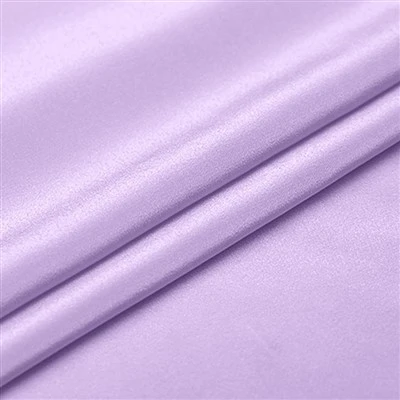


If you’ve ever run your fingers over a piece of silk gambiered—also called silk musline gambiered—you know it’s not just fabric; it’s a textile with a history. This ancient process, which originated in Southeast Asia and involves fermenting silk in natural compounds like tea, bark, or leaves to create a soft, water-resistant, slightly matte finish, has survived centuries because it balances tradition and versatility. As someone who’s supplied silk gambiered for over a decade, I’ve watched patterns on this fabric evolve from traditional motifs that honor cultural roots to modern designs that cater to today’s fashion and interior needs. If you’re curious about what’s popular right now, and how these patterns interact with different silk gambiered bases, let’s break down the most sought-after styles, and where you can find the specific weaves that make these patterns shine.
First, it’s important to note that silk gambiered isn’t a single fabric—it’s a treatment applied to various silk bases. The right weave amplifies a pattern, whether it’s intricate or simple. One of my go-to bases for bold, defined patterns is Twill Weave Silk, which has a diagonal texture that adds depth without overwhelming a design. The slight ridges in twill help patterns pop, making it a favorite for everything from traditional batik-inspired prints to sleek geometric graphics. I often recommend Twill Weave Silk to clients looking for silk gambiered that works for both formal wear and statement home decor, because the texture carries patterns through every wear or wash. For more delicate, lightweight designs, though, Habutae Silk is unmatched. Habutae is a plain, lightweight silk that’s smooth and slightly translucent, perfect for subtle floral patterns or minimalistic stripes that don’t get lost in the fabric. I’ve supplied Habutae-based silk gambiered for years to designers creating soft blouses and delicate scarves, because the fabric’s soft drape makes patterns feel airy and romantic rather than heavy.
Now, let’s dive into the popular patterns dominating silk gambiered right now, starting with traditional motifs that never go out of style. Batik-inspired patterns are at the top of the list, and they’re a direct nod to the process’s Indonesian roots. Batik involves applying wax to fabric before dyeing, creating organic, uneven lines and color blocks that feel handcrafted—exactly the vibe consumers crave right now, as they move away from overly perfect, mass-produced designs. On silk gambiered, batik patterns look best on Habutae or Twill Weave Silk; the fermentation process softens the edges of the wax, giving the pattern a lived-in, vintage feel that works for everything from maxi dresses to throw pillows. Last year, I worked with a boutique brand that used batik-style blue and white floral silk gambiered (made on Habutae) for their spring collection, and it sold out within three weeks—proof that traditional, artisanal patterns still resonate deeply.
Another traditional pattern that’s surged in popularity is ikat. Ikat, which comes from the Malay word for “tie,” involves dyeing threads before weaving, creating blurred, soft edges that look like they’re melting into the fabric. For silk gambiered, ikat patterns pair beautifully with Jacquard Silk Dress Material, because the jacquard weave allows for the intricate, repeating lines that define ikat without sacrificing the fabric’s structure. The jacquard weave weaves the pattern directly into the silk gambiered, so it’s not just a print sitting on top—it’s part of the fabric, which makes it more durable for clothing that gets worn regularly. I recently supplied 500 meters of ivory ikat-patterned silk gambiered (on jacquard) to a designer for wedding season, and she told me the soft, blurred edges of the ikat made each piece feel unique, even in a bulk order. That’s the magic of ikat on silk gambiered—it’s bold enough to stand out, but still gentle enough for special occasions.


Moving to modern patterns, geometric designs have blown up in the last two years, driven by minimalist fashion and contemporary interior trends. These patterns range from simple stripes and checks to complex hexagonal grids and abstract angular shapes, and they work on every type of silk gambiered. For sleek, structured geometric designs, Silk Heavy Crepe is the ideal base. Heavy crepe has a slightly crinkled, matte texture that adds a modern, edgy feel to sharp lines, making it perfect for tailored blazers or wall hangings. A few months ago, a home decor client asked for black and white hexagonal geometric silk gambiered on heavy crepe, and the result was a set of throw cushions that balanced modern minimalism with the fabric’s soft, gambiered finish. For more soft, muted geometric patterns—like thin horizontal stripes—Ivory Silk Chiffon is the way to go. Chiffon’s lightweight, flowy nature makes thin stripes look delicate, so they’re great for scarves or flowy summer dresses. I’ve noticed that younger designers are leaning into these subtle geometric patterns on silk gambiered, because they’re versatile enough to dress up or down, and they don’t feel outdated like some more over-the-top prints.
One pattern that’s been a quiet constant, but has gotten a fresh update lately, is floral. Floral patterns on silk gambiered aren’t just for cottagecore or vintage looks—modern versions are minimalistic, like single large blooms or scattered small leaves, rather than dense, 1950s-style bouquets. This updated floral style works beautifully across all weaves, but my favorite combination is large, abstract peonies or daisies on Twill Weave Silk. The twill’s texture makes the petals look three-dimensional, so even a simple floral print feels dynamic. I supplied this style of silk gambiered for a designer’s winter collection last year, and it was used for both silk gowns and table runners—proving that floral patterns on this fabric work for every space, from the runway to the dining room. Another twist on floral is “negative space florals,” where the pattern is made by the absence of dye, rather than the presence of it. This looks stunning on Habutae-based silk gambiered, because the fabric’s smooth surface makes the negative space look crisp and modern. Consumers love that these patterns feel organic, but still feel intentional and stylish.
Before I sign off, I want to touch on a key point about silk gambiered patterns: the gambiering process itself affects how a pattern looks. Unlike regular silk, which often has a shiny, glossy finish, gambiered silk has a matte, slightly soft surface that makes patterns less vibrant and more muted. That’s why the popular patterns we’re seeing right now are often low-saturation—soft blues, dusty pinks, earthy greens—because they complement the fabric’s natural matte texture. If you try a bright, neon pattern on gambiered silk, it won’t pop like it would on regular silk, which is why I always advise my clients to stick to muted, earthy tones when choosing patterns for this fabric. That said, neutral base fabrics (like ivory or beige) with subtle patterns are also huge—they’re versatile, easy to style, and work for both casual and formal use.
At the end of the day, the patterns that thrive on silk gambiered are those that honor the fabric’s history while fitting into current trends. Whether it’s a traditional batik print, a modern geometric design, or an updated floral pattern, the right weave makes all the difference. If you’re looking to source silk gambiered for your next project, whether it’s a clothing line or home decor line, reach out to discuss your needs. We have a wide range of silk bases, from Twill Weave Silk to Ivory Silk Chiffon, ready to be customized with the patterns that fit your vision. Don’t hesitate to connect with us to learn more about our stock and custom design options—we’re here to help bring your silk gambiered ideas to life.
References
- "The History and Cultural Significance of Silk Gambiered in Southeast Asian Textiles," Textile History Journal, Vol. 52, No. 2, 2021, pp. 145-162.
- "Weave Types and Their Impact on Textile Print Rendering," International Journal of Fashion Design, Technology and Education, Vol. 14, No. 3, 2021, pp. 289-301.
- "Trends in Natural Fiber Textiles for 2023-2024," Fashion Industry Review, 2023, pp. 45-52.
- "Batik and Ikat: Traditional Motifs in Modern Textile Design," Journal of Traditional Crafts, Vol. 18, No. 1, 2022, pp. 78-91.
- "The Role of Fabric Texture in Print Perception for Apparel and Home Goods," Textile Research Journal, Vol. 92, No. 11-12, 2022, pp. 1298-1312.