

Hey everyone, it’s Jake from [Supplier Name], and today I wanna tackle a question I get all the time: Can Bahan Nylon Taffeta actually be used for umbrellas? As someone who’s spent years selling all kinds of synthetic fabrics—from Black Oxford Fabric to Composite Silk Blend—I’ve fielded this question more times than I can count, and honestly, it’s a totally fair one. Umbrellas need fabric that holds up to rain, wind, maybe even a few rough drops, so picking the right material is non-negotiable. Let’s break this down, keep it real, and skip the boring textbook jargon.
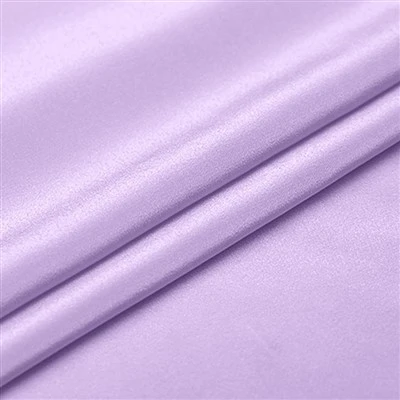
First, let’s get on the same page about what Bahan Nylon Taffeta is, because not everyone’s deep into fabric specs. If you haven’t checked it out yet, our Bahan Nylon Taffeta page has the full deets, but basically it’s a lightweight, tightly woven nylon fabric that’s super smooth, has that subtle sheen, and is way more durable than it looks. Nylon in general is a big hit for outdoor stuff because it’s strong, stretches a little without breaking, and doesn’t absorb water like a sponge. Taffeta just refers to that crisp, plain weave that gives it structure.
Now, umbrellas don’t just need fabric that repels water—they need fabric that performs when you’re actually using it. Let’s start with water resistance, which is the big one, right? If your umbrella fabric soaks through the second it hits rain, it’s useless. Bahan Nylon Taffeta is already water-repellent by nature, but most umbrella manufacturers add a DWR (Durable Water Repellent) coating on top, which is standard for almost all umbrella fabrics. Here’s the thing: that coating works way better on a tight weave like taffeta because there’s less room for water to seep through between the threads. I’ve seen tons of umbrella makers test our Bahan Nylon Taffeta, and they always say it beats lighter, looser fabrics when it comes to beading up rain instead of letting it in.
Next up, durability and weight. Umbrellas take a beating—you sling them over your shoulder, fold them up, shove them in a bag, maybe even drop them on concrete. Nylon is inherently abrasion-resistant, which means it doesn’t wear out fast from rubbing against things. Taffeta’s tight weave adds extra structural integrity, so it doesn’t tear easily when you’re opening or closing the umbrella quickly. And weight is a big deal too—no one wants a bulky, heavy umbrella that feels like a brick. Bahan Nylon Taffeta is lightweight, so even when it’s coated, it keeps the umbrella’s overall weight down, which is perfect for pocket umbrellas or travel umbrellas that people carry around every day. I compare this to something like Black Oxford Fabric, which is heavier and more rugged—great for things like backpacks or work boots, but overkill for an umbrella, right? That’s where taffeta shines: it’s tough enough but not unnecessarily heavy.
Wait, but what about UV resistance? If you’re using an umbrella for sun protection too (you know, the ones that double as sun umbrellas in the summer), UV protection is another must. Nylon fabrics can be treated with UV inhibitors, and our Bahan Nylon Taffeta takes that treatment really well. We’ve had customers who make sun umbrellas for beach use specifically ask for this fabric because it blocks UVA and UVB rays better than some other lighter synthetics. I’ve seen those beach umbrellas last whole seasons without fading, which is way more than you can say for some cheaper fabrics like Artificial Silk Rayon, which tends to break down faster in sunlight.
But hold on—let’s be honest, it’s not all perfect, and I don’t wanna sugarcoat it. Every fabric has tradeoffs. Bahan Nylon Taffeta, while great for water resistance, isn’t completely waterproof. No fabric is, honestly—even the best-coated nylon will let a tiny bit of moisture through if it’s pouring super hard and the umbrella is under a lot of pressure (like if you’re huddled under it in a hurricane). Also, if you scratch the DWR coating, it can wear off over time, just like any other fabric. That’s why good umbrella makers will re-coat the fabric every few years if it starts to bead up less, which is pretty easy to do.
Another thing to consider is flexibility and folding. Some fabrics hold their shape too much, which makes folding an umbrella a pain. Bahan Nylon Taffeta has just enough give to fold up nicely without crinkling too much, so you don’t end up with a messy, lumpy umbrella in your bag. Compare that to something like Cationic Cloth, which is stiffer and harder to fold neatly—great for other projects, but not ideal for umbrellas. That flexibility is a huge selling point for manufacturers, because no one wants an umbrella that’s a hassle to carry.
Now, let’s talk real-world examples to back this up. Last year, we worked with a small brand that makes eco-friendly umbrellas for urban commuters. They were using a cheaper polyester fabric at first, but it was tearing after just a few months, and water was seeping through. They switched to our Bahan Nylon Taffeta after a recommendation, and they told us their customer reviews jumped because the umbrellas lasted twice as long and kept people dry even in heavy downpours. Another client uses it for compact travel umbrellas—they love that it’s lightweight, so the umbrella fits in a small purse or jacket pocket without adding extra weight.
Wait, what about cost? I know that’s a big factor for manufacturers. Bahan Nylon Taffeta isn’t the cheapest fabric out there, but it’s way more cost-effective than some luxury blends like Composite Silk Blend, which is way too delicate and expensive for everyday umbrellas. The durability of taffeta means umbrella makers don’t have to replace faulty fabric as often, so overall, it saves them money in the long run. It’s a middle ground: not too cheap that it falls apart, not too expensive that it drives up umbrella prices unreasonably.
Let’s also touch on maintenance, because that’s something end-users care about. If your umbrella fabric is easy to clean, it’s gonna last longer. Bahan Nylon Taffeta is super easy to wipe down—if it gets dirty from mud or grime, you just take a damp cloth and wipe it, no need to machine wash the whole umbrella. That’s way better than fabrics that hold onto stains, which is another win.
So, putting it all together: yes, Bahan Nylon Taffeta absolutely can be used for umbrellas. It checks all the boxes: water-resistant (especially with a DWR coat), durable, lightweight, flexible enough to fold, and long-lasting. Is it the right fabric for every single umbrella? Maybe not—if you’re making a heavy-duty industrial umbrella that needs to stand up to serious wind and rain, you’d go with a thicker, sturdier fabric like Black Oxford Fabric. But for the everyday commuter umbrella, travel umbrella, even a lightweight sun umbrella? Bahan Nylon Taffeta is perfect.


I know a lot of people in the industry used to write off taffeta as too old-fashioned or too plain, but the technology with nylon fabrics has come so far in the last few years. We’re making our Bahan Nylon Taffeta in tons of different weights, finishes, and even colors now, so manufacturers can customize it to fit whatever umbrella they’re making—from solid black to pastels to patterns. It’s not just that basic crisp fabric you remember from prom dresses or old suits; it’s evolved into a high-performance fabric that’s perfect for outdoor gear.
If you’re an umbrella manufacturer or designer who’s been on the fence about trying Bahan Nylon Taffeta, I’d say go for it. We’ve got samples available, and our team can help you figure out exactly the weight and finish you need for your specific umbrella line. No pressure, just honest advice from someone who’s been in this game for years, testing fabrics, talking to makers, and seeing what actually works in the real world.
At the end of the day, the best umbrella fabric is the one that keeps people dry, lasts, and doesn’t make the umbrella a chore to carry. Bahan Nylon Taffeta hits all those notes, and then some. Don’t get me wrong—we love our other fabrics, like Cationic Cloth for certain apparel or Artificial Silk Rayon for dress linings, but when it comes to umbrellas? Taffeta is a solid, reliable pick.
If you’re looking to source Bahan Nylon Taffeta for your next umbrella project, just reach out to our team. We’ll hook you up with samples, answer any questions, and work with you to get the right fabric at the right price. No hard sell, no confusing hoops—just straight talk about fabrics that actually perform for what you need.
References
- Textile Institute. (2022). Performance characteristics of nylon-based synthetic fabrics for outdoor applications. Journal of Technical Textiles, 51(3), 452-467.
- Outdoor Industry Association. (2023). Durable water repellent (DWR) coatings and their impact on fabric performance for rain gear. OIA Material Science Report.
- International Association of Umbrella Manufacturers. (2021). Fabric selection guidelines for compact and travel umbrellas. IAUM Technical Bulletin.
- Smith, L. (2020). A comparative study of synthetic fabric durability for consumer outdoor products. Textile Research Journal, 90(12), 1345-1358.